Baila Hantsis
A York University Project
MagiCats
Survive against rampaging zombie dogs and save your revived puppy, all while being a cat!
Animator & UX Consultant
Oct. 2025
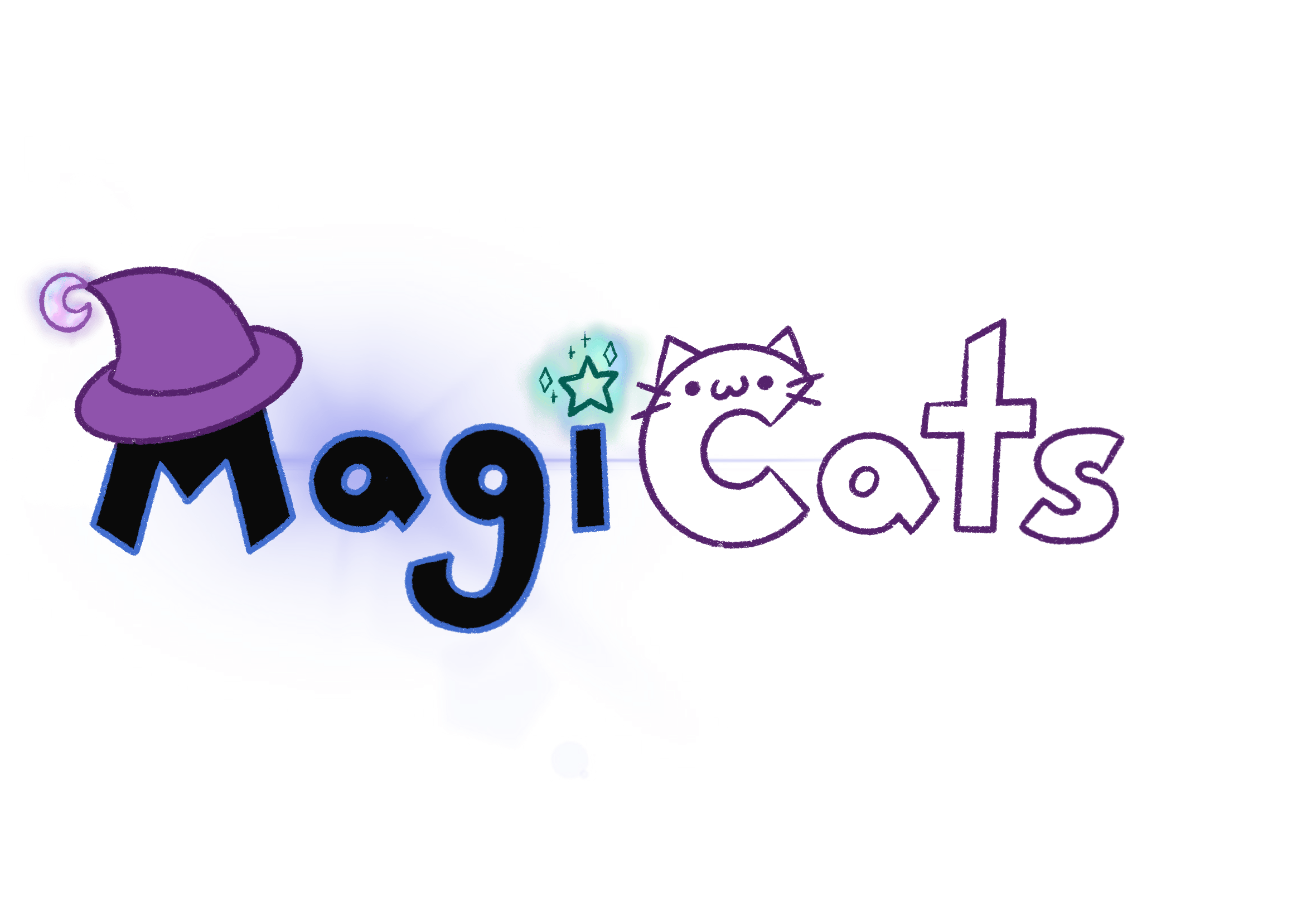
Project Overview & Key Contributions

UX & Interaction Design: Directed user experience feedback across core gameplay loops, ensuring intuitive controls, clear feedback states, and balanced difficulty scaling.

Character Animation: Designed and animated core playable cat characters and enemy variants, prioritizing visual clarity and fluid movement.

Team Leadership: Led a multidisciplinary team of developers and artists to deliver a fully functional game within a strict six-week timeline.

Project Management: Established weekly sprints, managed production milestones, and allocated tasks to ensure on-time delivery alongside concurrent academic commitments.
Story
The recent passing of your pet dog has left you heartbroken and unable to cope with the loss. So, you decide to bring him back to life with your wizard powers. Unfortunately, you're a really bad wizard. Somehow, you've caused every dog in the world to come back to life, causing a Woofpocolypse.
To return the souls of those poor dogs to their places of rest, you must venture into the temple of an ancient sorceress. The spell book that's hidden inside is the only thing that can help you undo your spell.
To blend in with the other zombie dogs who've taken over the temple, you decide to enchant yourself to resemble them. Unfortunately, you are still bad at magic, and have turned yourself into a cat. Your friend agrees to help you infiltrate the temple, agreeing to become a cat to join your quest.
If you survive this, maybe you should stop practicing magic...
Week 1
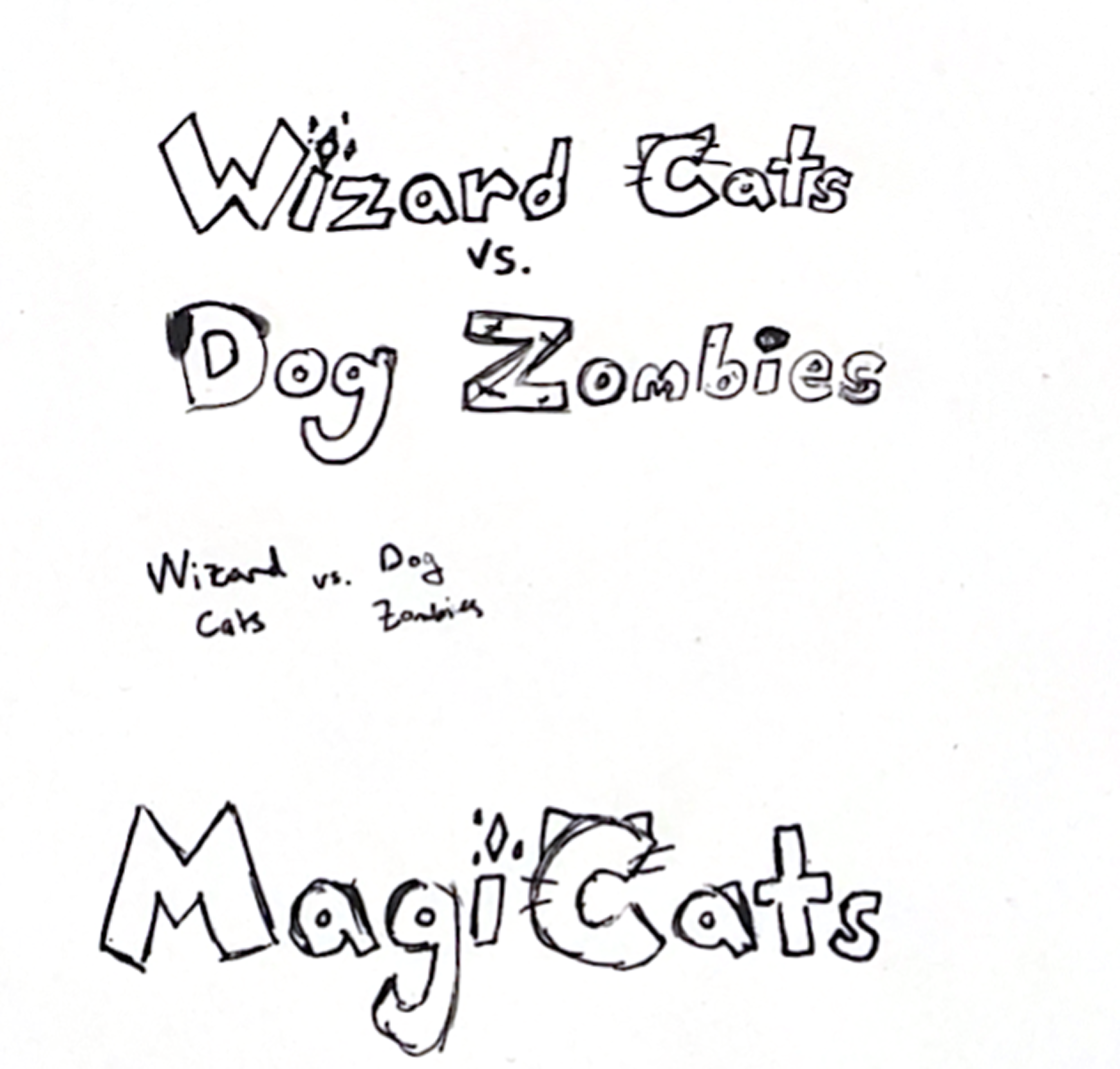
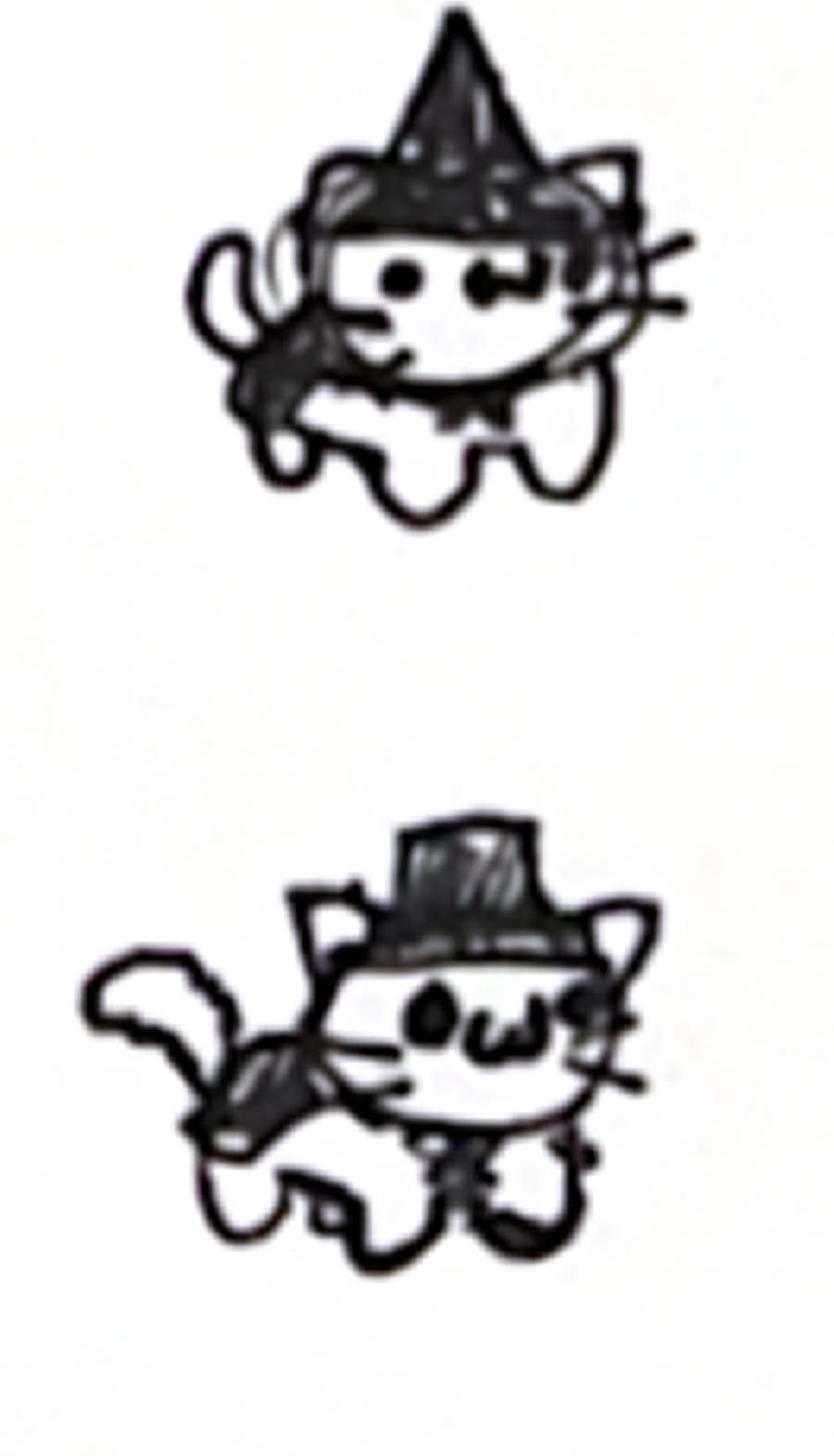
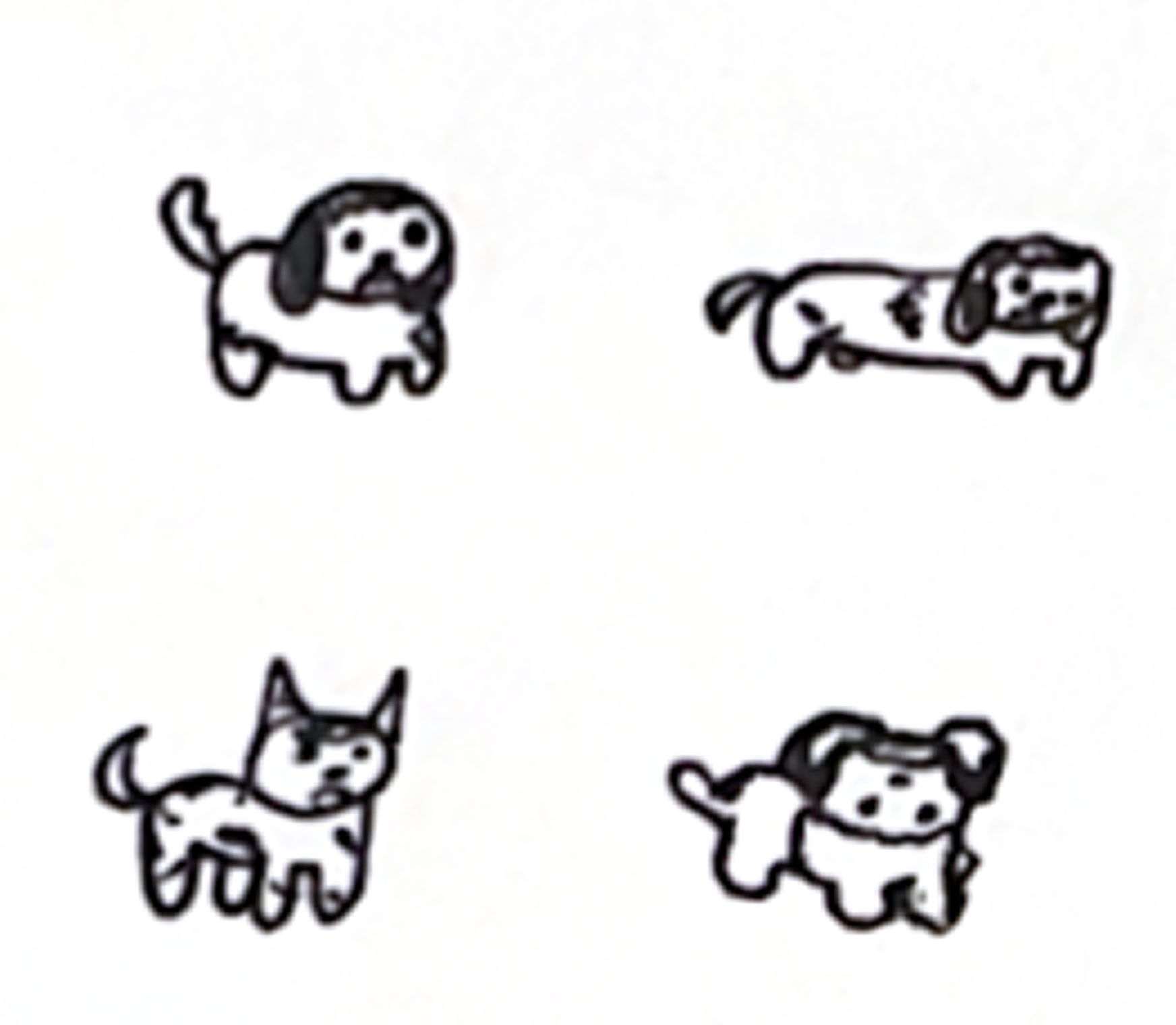
Ideated upon wizard cat and zombie dog designs, in addition to the logo

Animated downwards walkcycle (scrapped)
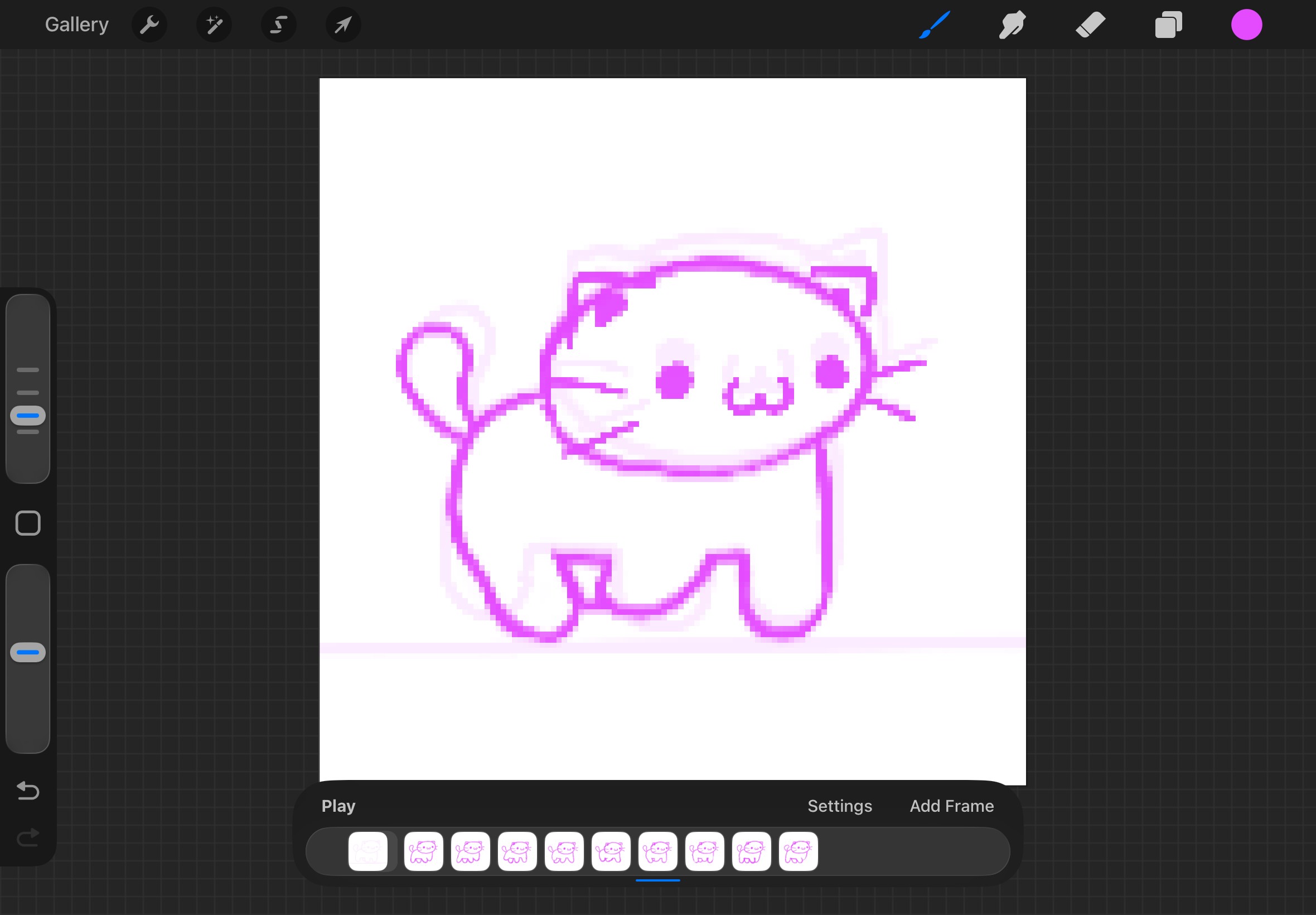
Animated sideways walkcycle
Rendered sideways walkcycle
Week 2
Animated & Rendered Dog1
Week 3
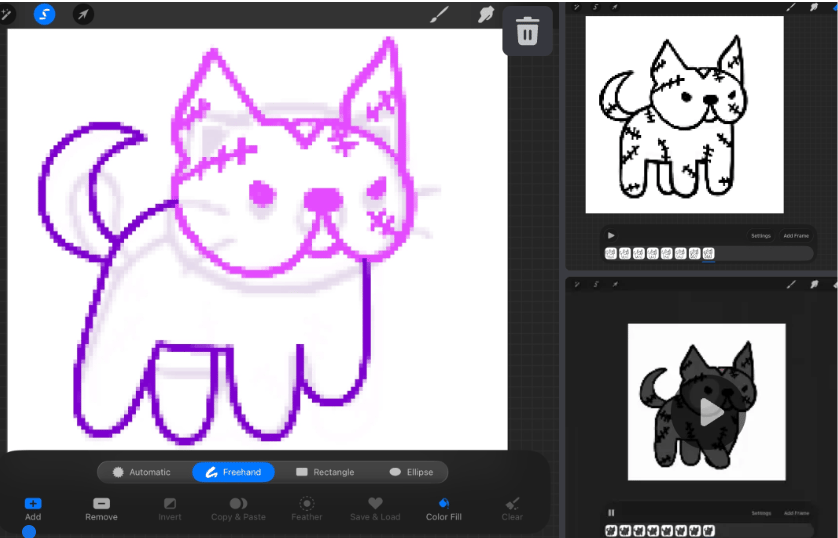
Animated & Rendered Dog2
Recoloured Cat 1 as Cat 2 & animated new hat charm
User Experience Feedback
Background Asset Design
Initial Design Strength
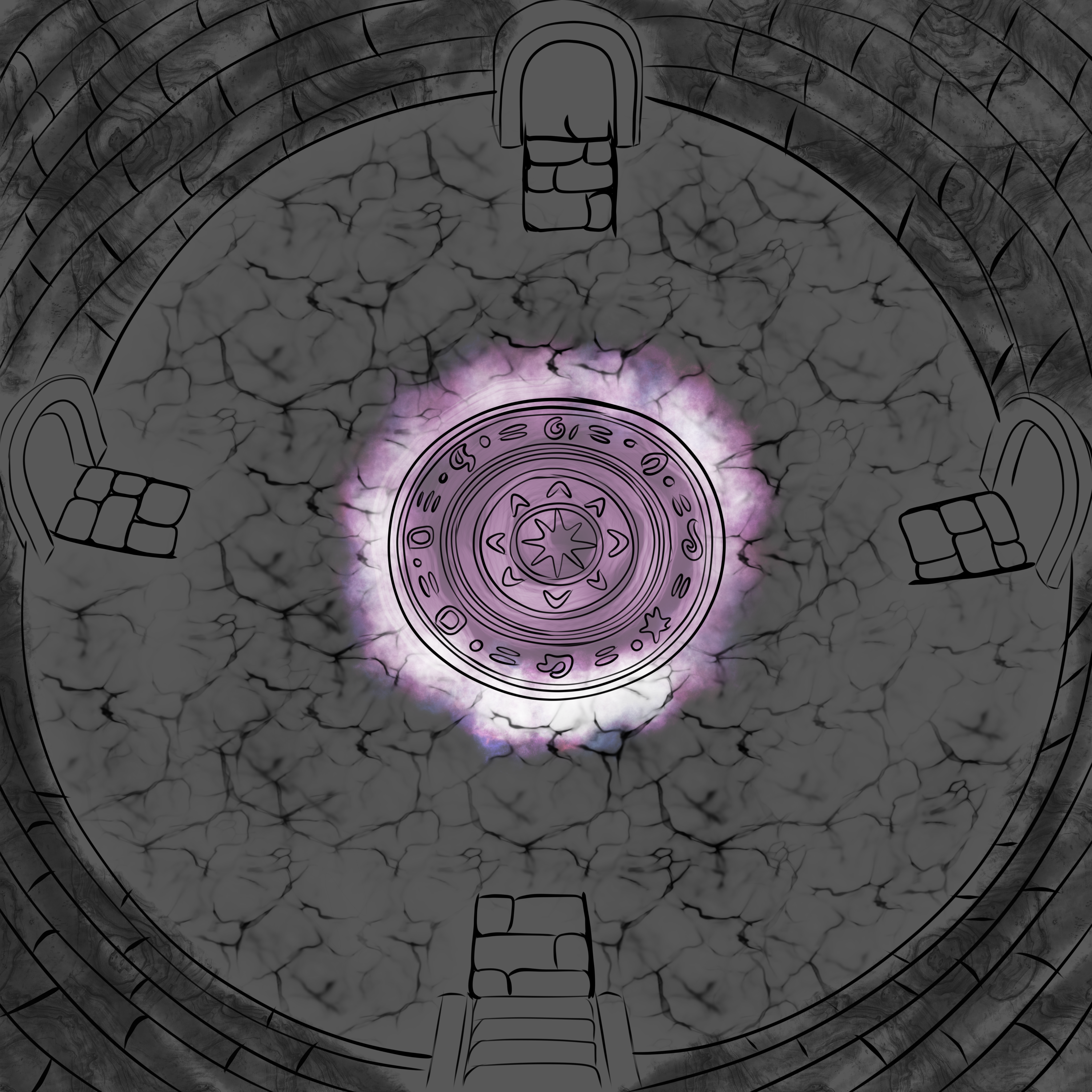
- Thematic Alignment: Concept art successfully captured a dark fantasy, dungeon-inspired aesthetic that matched the game's lore.
- Environmental Storytelling: Central rune carvings added narrative depth and a sense of history to the map layout.
Usability & Accessibility Challenges
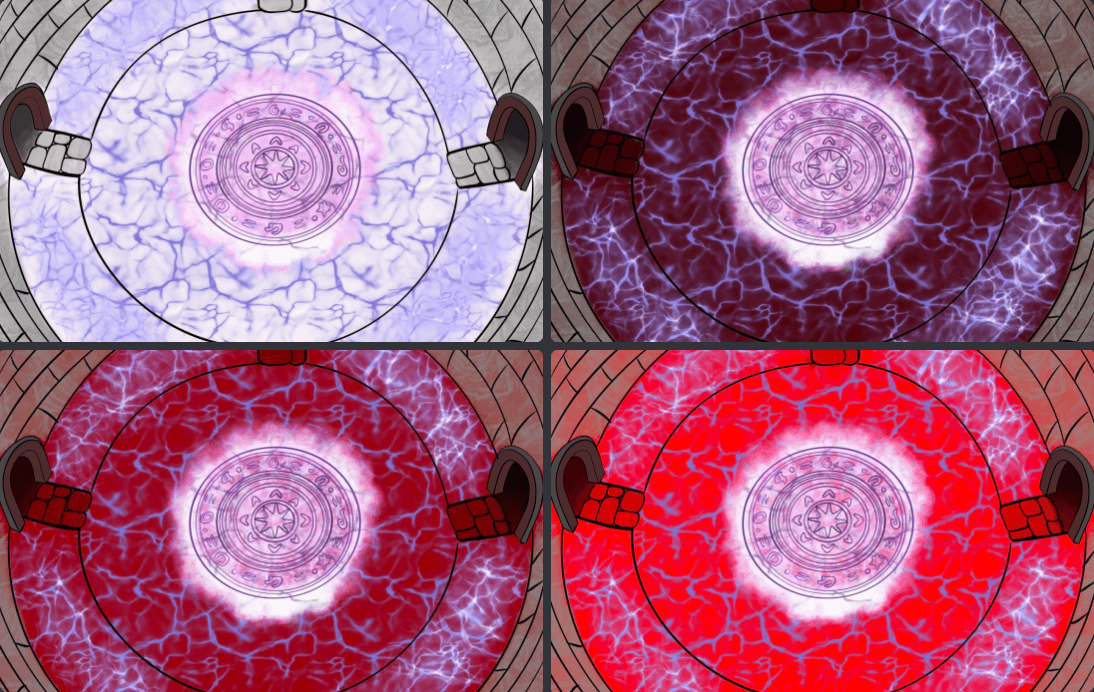
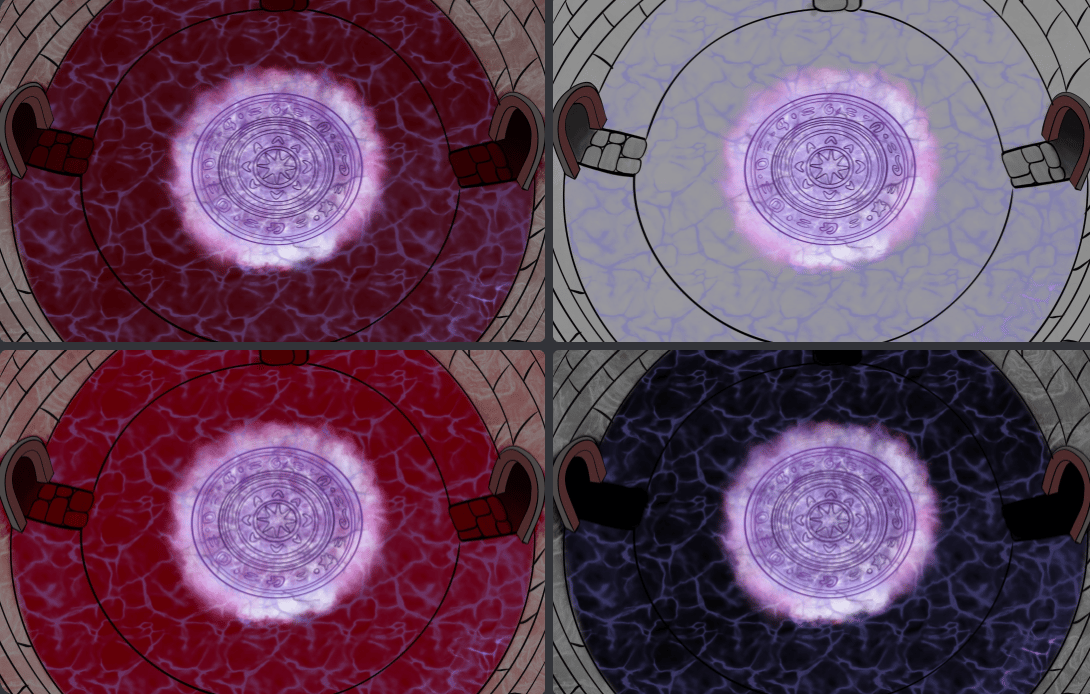
- High Saturation & Low Contrast: Initial colour exploration featured high-saturation backgrounds that competed directly with active character sprites, reducing focal clarity during fast-paced gameplay.
- Visual Noise & Sensory Overload: Intricate "magic vein" floor patterns introduced excessive visual complexity, risking cognitive overload and motion tracking difficulty for players.
Design Solutions & Iterations
- Color Palette Optimization: Shifted to a low-saturation, gray base palette, significantly increasing foreground-to-background contrast for all entity sprites.
- Pattern & Texture Refinement: Replaced high-contrast glowing veins with subtle stone floor cracks and added low-contrast wall texturing to retain environmental detail without clutter.
Gameplay Design
Initial Design Strengths
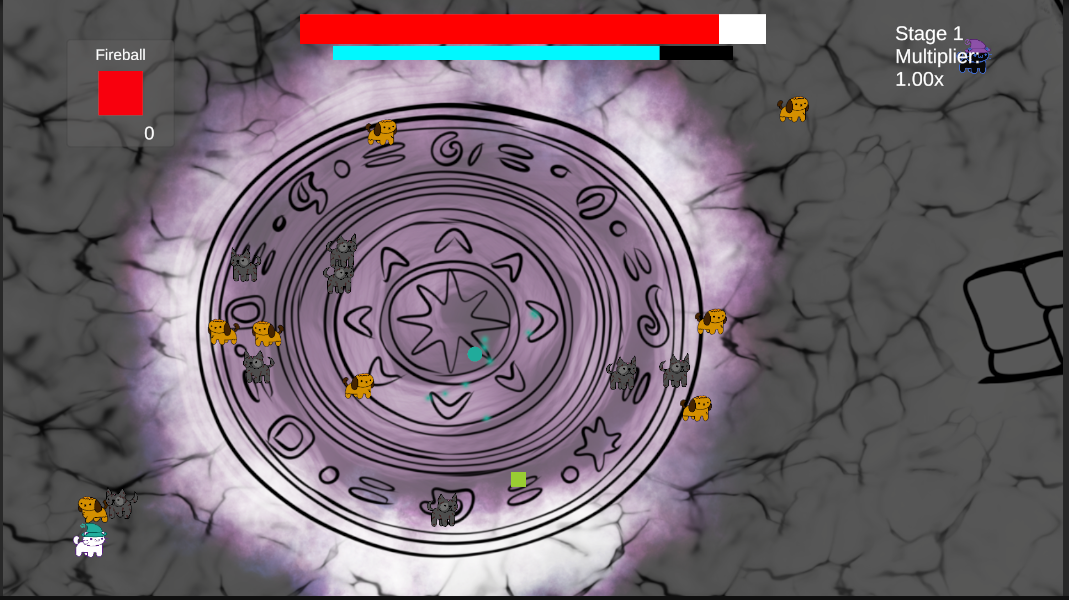
- Clear State Indicators: High-contrast UI frames clearly highlight active spells to reinforce current player abilities.
- Intuitive Feedback Loops: Implemented distinct, colour-coded mana pickups to allow immediate visual identification during movement.
Usability & Accessibility Challenges
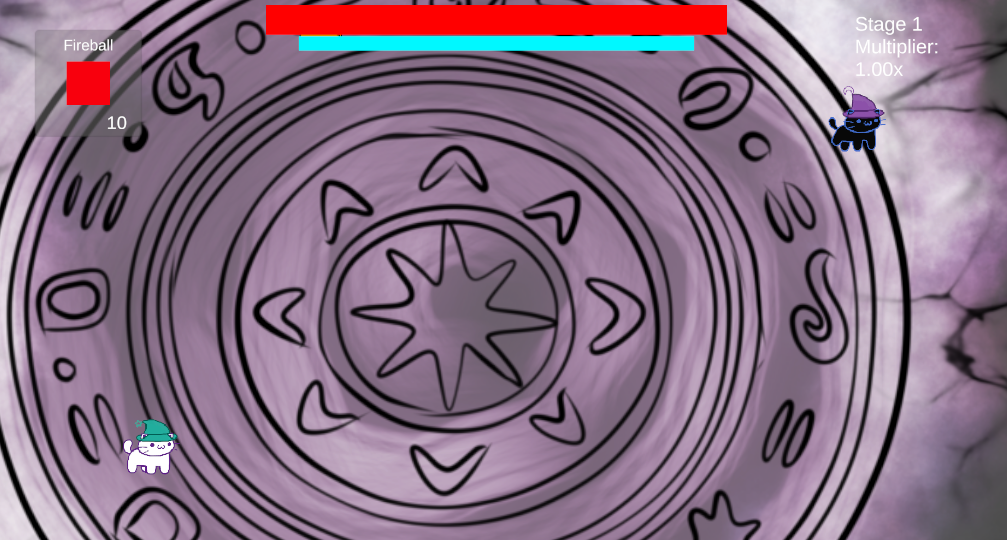
- Entity Legibility at Scale: A static camera view caused player and enemy character sprites to appear undersized, making tracking and precise targeting difficult during active combat.
Design Solutions & Iterations
- Dynamic Camera Zoom System: Engine-level camera scaling was implemented to dynamically adapt the field of view based on character proximity.
- Improved Sprite Visibility: Proportional zoom limits preserve essential spatial context while keeping active entities legible and easy to track across the map.
Playtesting
We ran peer playtesting sessions to observe how players naturally navigated the game, interacted with co-op mechanics, and responded to UI feedback.
What Worked Well
- Core Loop & Animations: Players found the spell mechanics immediately fun and praised the character animations.
- Co-op Sharing: Handing off resources between players proved to be an exciting interaction.
- Damage Feedback: Players clearly understood when their characters were taking damage.
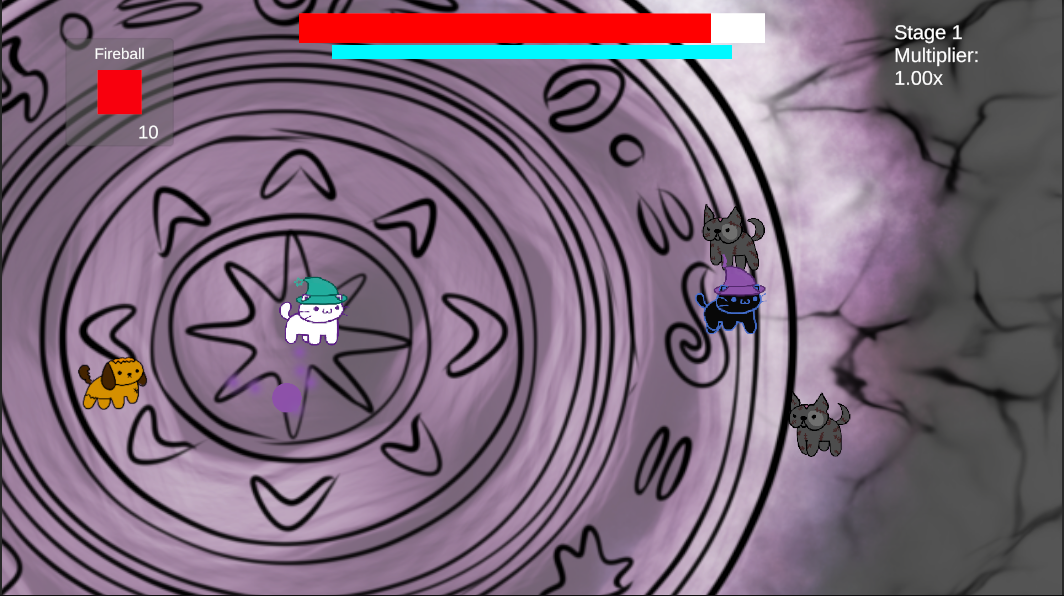
Usability & Interface Friction
- Confusing Status Icons: The overhead cooldown circle lacked clear visual context, leaving players unsure of what it represented.
- Unclear display: Players had difficulty reading health levels, remaining spell counts, and mana mechanics without explanation.
- Missing Combat Signals: Without enemy health bars or precise aiming feedback, players couldn't tell how many hits were needed to defeat enemies.
Gameplay Balancing & Co-op Flow
- Limited Need for Teamwork: Resource drops were too generous, which meant players rarely needed to talk or plan strategies together.
- Difficulty Spikes: High enemy movement speeds made combat feel overwhelming before players learned the controls.
Week 4 & 5: Enemy Dogs
Animated & Rendered Dog3
Animated & Rendered Dog4
Week 5 & 6: Cerberus
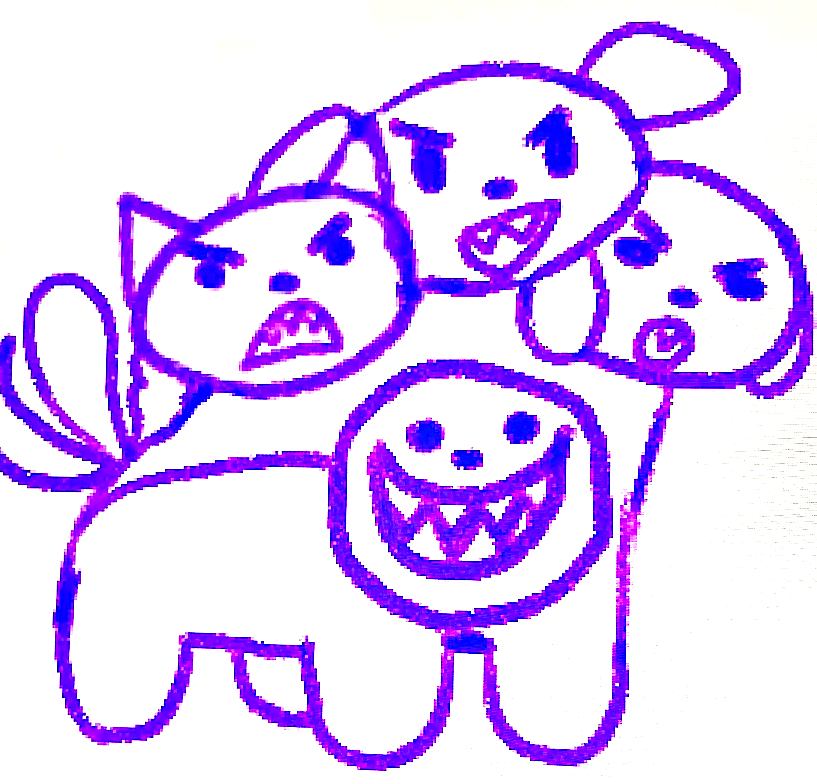
Sketched Boss Designs
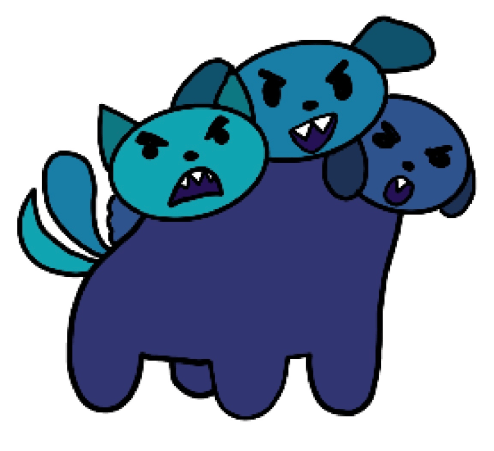
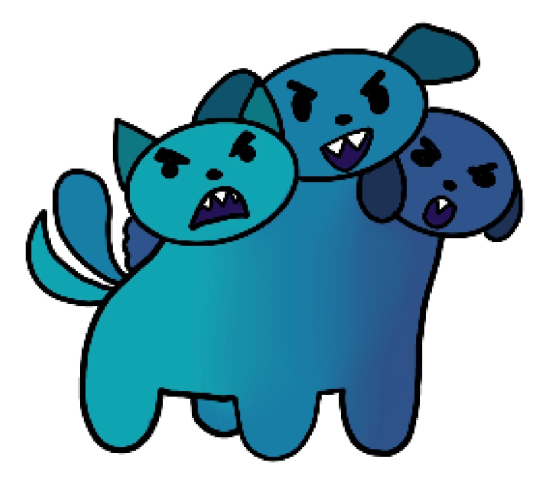
Explored Boss Colours
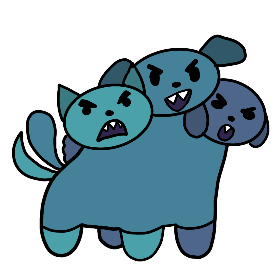
Final Boss Design, named Cerberus
Cerberus Animations
Walk
Bite
Howl
Week 6: Icons & Logo

Health

Health
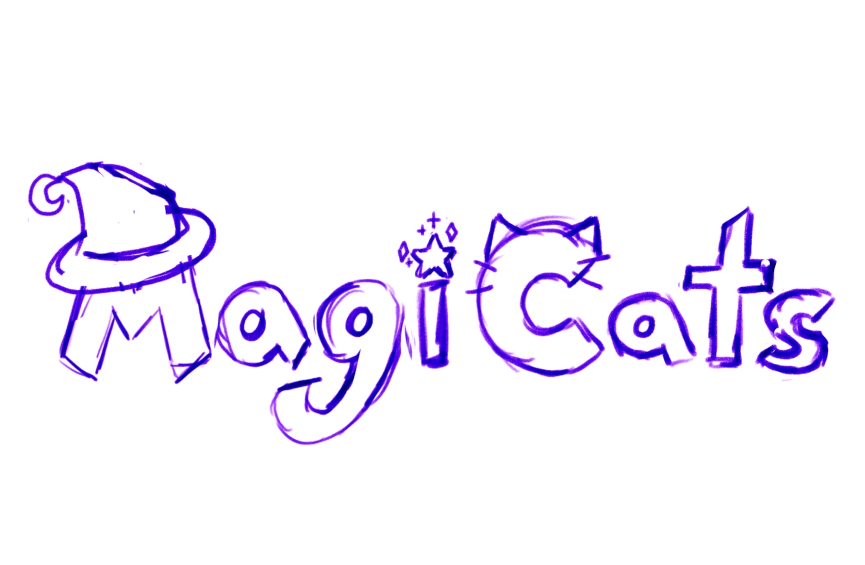
Sketch
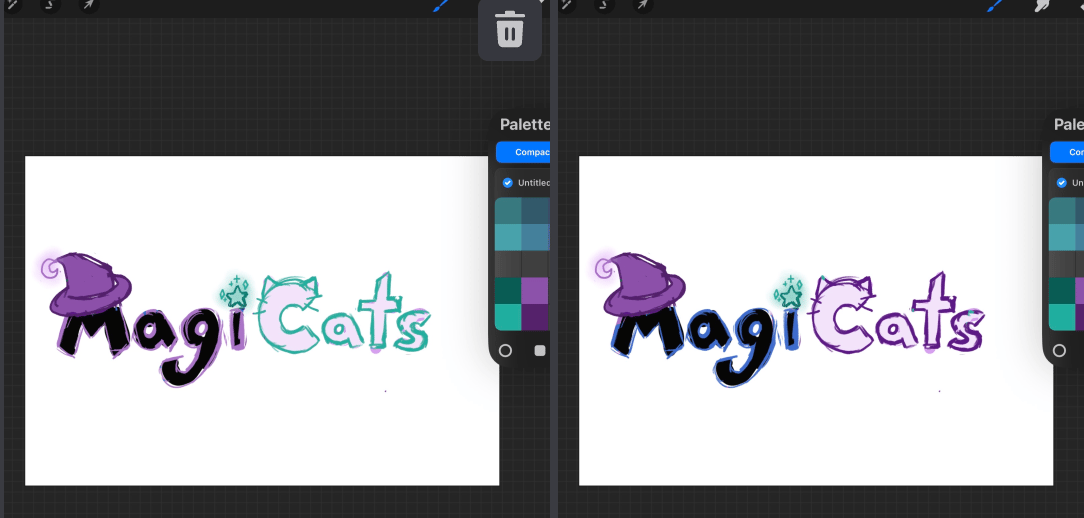
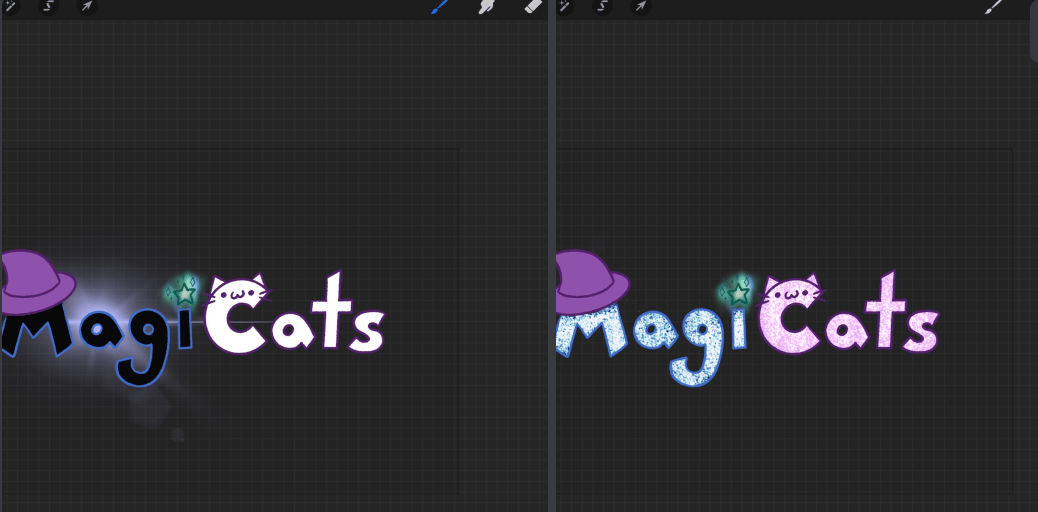
Colour Concepts
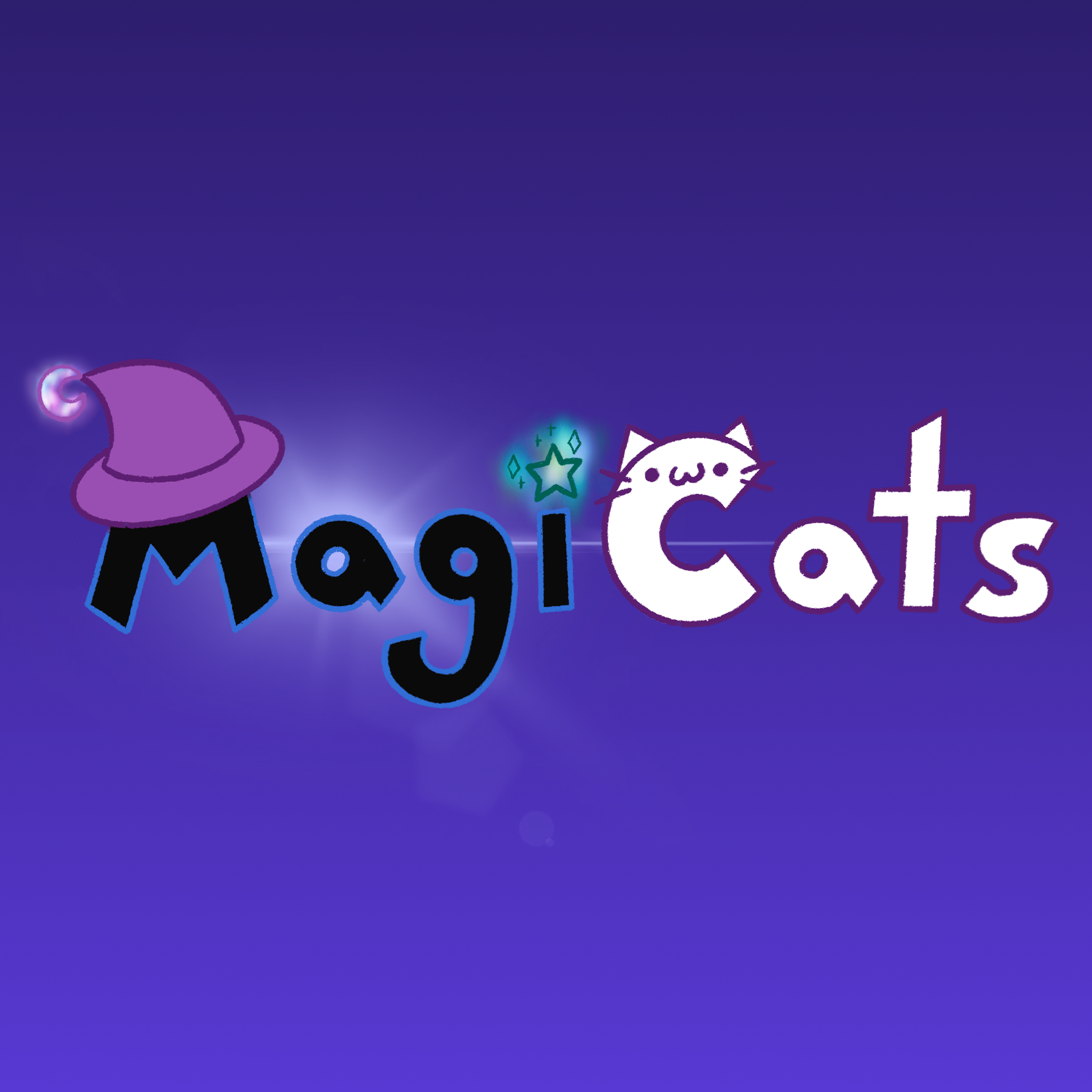
Final Logo!
The Final Project
A playtesting session was held for the class, where many students and peers came to give feedback on our games
Usability Changes
- Core Loop & Animations: Players found the spell mechanics immediately fun and praised the character animations.
- Co-op Sharing: Handing off resources between players proved to be an exciting interaction.
- Damage Feedback: Players clearly understood when their characters were taking damage.
Gameplay Balancing & Co-op Flow
- Limited Need for Teamwork: Resource drops were too generous, which meant players rarely needed to talk or plan strategies together.
- Difficulty Spikes: High enemy movement speeds made combat feel overwhelming before players learned the controls.
Baila Hantsis
A York University Project
MagiCats
Survive against rampaging zombie dogs and save your revived puppy, all while being a cat!
Animator & UX Consultant
Oct. 2025

Project Overview & Key Contributions

UX & Interaction Design: Directed user experience feedback across core gameplay loops, ensuring intuitive controls, clear feedback states, and balanced difficulty scaling.
Character Animation: Designed and animated core playable cat characters and enemy variants, prioritizing visual clarity and fluid movement.
Team Leadership: Led a multidisciplinary team of developers and artists to deliver a fully functional game within a strict six-week timeline.
Project Management: Established weekly sprints, managed production milestones, and allocated tasks to ensure on-time delivery alongside concurrent academic commitments.
Story
The recent passing of your pet dog has left you heartbroken and unable to cope with the loss. So, you decide to bring him back to life with your wizard powers. Unfortunately, you're a really bad wizard. Somehow, you've caused every dog in the world to come back to life, causing a Woofpocolypse.
To return the souls of those poor dogs to their places of rest, you must venture into the temple of an ancient sorceress. The spell book that's hidden inside is the only thing that can help you undo your spell.
To blend in with the other zombie dogs who've taken over the temple, you decide to enchant yourself to resemble them. Unfortunately, you are still bad at magic, and have turned yourself into a cat. Your friend agrees to help you infiltrate the temple, agreeing to become a cat to join your quest.
If you survive this, maybe you should stop practicing magic...
Week 1
Ideated upon wizard cat and zombie dog designs, in addition to the logo
Animated downwards walkcycle (scrapped)
Animated sideways walkcycle
Rendered sideways walkcycle
Week 2
Animated & Rendered Dog1
Week 3
Animated & Rendered Dog2
Recoloured Cat 1 as Cat 2 & animated new hat charm
User Experience Feedback
Background Asset Design
Initial Design Strength
- Thematic Alignment: Concept art successfully captured a dark fantasy, dungeon-inspired aesthetic that matched the game's lore.
- Environmental Storytelling: Central rune carvings added narrative depth and a sense of history to the map layout.
Usability & Accessibility Challenges
- High Saturation & Low Contrast: Initial colour exploration featured high-saturation backgrounds that competed directly with active character sprites, reducing focal clarity during fast-paced gameplay.
- Visual Noise & Sensory Overload: Intricate "magic vein" floor patterns introduced excessive visual complexity, risking cognitive overload and motion tracking difficulty for players.
Design Solutions & Iterations
- Color Palette Optimization: Shifted to a low-saturation, gray base palette, significantly increasing foreground-to-background contrast for all entity sprites.
- Pattern & Texture Refinement: Replaced high-contrast glowing veins with subtle stone floor cracks and added low-contrast wall texturing to retain environmental detail without clutter.
Gameplay Design
Initial Design Strengths
- Clear State Indicators: High-contrast UI frames clearly highlight active spells to reinforce current player abilities.
- Intuitive Feedback Loops: Implemented distinct, colour-coded mana pickups to allow immediate visual identification during movement.
Usability & Accessibility Challenges
- Entity Legibility at Scale: A static camera view caused player and enemy character sprites to appear undersized, making tracking and precise targeting difficult during active combat.
Design Solutions & Iterations
- Dynamic Camera Zoom System: Engine-level camera scaling was implemented to dynamically adapt the field of view based on character proximity.
- Improved Sprite Visibility: Proportional zoom limits preserve essential spatial context while keeping active entities legible and easy to track across the map.
Playtesting
We ran peer playtesting sessions to observe how players naturally navigated the game, interacted with co-op mechanics, and responded to UI feedback.
What Worked Well
- Core Loop & Animations: Players found the spell mechanics immediately fun and praised the character animations.
- Co-op Sharing: Handing off resources between players proved to be an exciting interaction.
- Damage Feedback: Players clearly understood when their characters were taking damage.
Usability & Interface Friction
- Confusing Status Icons: The overhead cooldown circle lacked clear visual context, leaving players unsure of what it represented.
- Unclear display: Players had difficulty reading health levels, remaining spell counts, and mana mechanics without explanation.
- Missing Combat Signals: Without enemy health bars or precise aiming feedback, players couldn't tell how many hits were needed to defeat enemies.
Gameplay Balancing & Co-op Flow
- Limited Need for Teamwork: Resource drops were too generous, which meant players rarely needed to talk or plan strategies together.
- Difficulty Spikes: High enemy movement speeds made combat feel overwhelming before players learned the controls.
Week 4 & 5: Enemy Dogs
Animated & Rendered Dog3
Animated & Rendered Dog4
Week 5 & 6: Cerberus
Sketched Boss Designs
Explored Boss Colours
Final Boss Design, named Cerberus
Cerberus Animations
Walk
Bite
Howl
Week 6: Icons & Logo
Health
Health
Sketch
Colour Concepts
Final Logo!
The Final Project
A playtesting session was held for the class, where many students and peers came to give feedback on our games
Usability Changes
- Core Loop & Animations: Players found the spell mechanics immediately fun and praised the character animations.
- Co-op Sharing: Handing off resources between players proved to be an exciting interaction.
- Damage Feedback: Players clearly understood when their characters were taking damage.
Gameplay Balancing & Co-op Flow
- Limited Need for Teamwork: Resource drops were too generous, which meant players rarely needed to talk or plan strategies together.
- Difficulty Spikes: High enemy movement speeds made combat feel overwhelming before players learned the controls.
Baila Hantsis
A York University Project
MagiCats
Survive against rampaging zombie dogs and save your revived puppy, all while being a cat!
Animator & UX Consultant
Oct. 2025
Project Overview & Key Contributions
UX & Interaction Design: Directed user experience feedback across core gameplay loops, ensuring intuitive controls, clear feedback states, and balanced difficulty scaling.
Character Animation: Designed and animated core playable cat characters and enemy variants, prioritizing visual clarity and fluid movement.
Team Leadership: Led a multidisciplinary team of developers and artists to deliver a fully functional game within a strict six-week timeline.
Project Management: Established weekly sprints, managed production milestones, and allocated tasks to ensure on-time delivery alongside concurrent academic commitments.
Story
The recent passing of your pet dog has left you heartbroken and unable to cope with the loss. So, you decide to bring him back to life with your wizard powers. Unfortunately, you're a really bad wizard. Somehow, you've caused every dog in the world to come back to life, causing a Woofpocolypse.
To return the souls of those poor dogs to their places of rest, you must venture into the temple of an ancient sorceress. The spell book that's hidden inside is the only thing that can help you undo your spell.
To blend in with the other zombie dogs who've taken over the temple, you decide to enchant yourself to resemble them. Unfortunately, you are still bad at magic, and have turned yourself into a cat. Your friend agrees to help you infiltrate the temple, agreeing to become a cat to join your quest.
If you survive this, maybe you should stop practicing magic...
Week 1
Ideated upon wizard cat and zombie dog designs, in addition to the logo
Animated downwards walkcycle (scrapped)
Animated sideways walkcycle
Rendered sideways walkcycle
Week 2
Animated & Rendered Dog1
Week 3
Animated & Rendered Dog2
Recoloured Cat 1 as Cat 2 & animated new hat charm
User Experience Feedback
Background Asset Design
Initial Design Strength
- Thematic Alignment: Concept art successfully captured a dark fantasy, dungeon-inspired aesthetic that matched the game's lore.
- Environmental Storytelling: Central rune carvings added narrative depth and a sense of history to the map layout.
Usability & Accessibility Challenges
- High Saturation & Low Contrast: Initial colour exploration featured high-saturation backgrounds that competed directly with active character sprites, reducing focal clarity during fast-paced gameplay.
- Visual Noise & Sensory Overload: Intricate "magic vein" floor patterns introduced excessive visual complexity, risking cognitive overload and motion tracking difficulty for players.
Design Solutions & Iterations
- Color Palette Optimization: Shifted to a low-saturation, gray base palette, significantly increasing foreground-to-background contrast for all entity sprites.
- Pattern & Texture Refinement: Replaced high-contrast glowing veins with subtle stone floor cracks and added low-contrast wall texturing to retain environmental detail without clutter.
Gameplay Design
Initial Design Strengths
- Clear State Indicators: High-contrast UI frames clearly highlight active spells to reinforce current player abilities.
- Intuitive Feedback Loops: Implemented distinct, colour-coded mana pickups to allow immediate visual identification during movement.
Usability & Accessibility Challenges
- Entity Legibility at Scale: A static camera view caused player and enemy character sprites to appear undersized, making tracking and precise targeting difficult during active combat.
Design Solutions & Iterations
- Dynamic Camera Zoom System: Engine-level camera scaling was implemented to dynamically adapt the field of view based on character proximity.
- Improved Sprite Visibility: Proportional zoom limits preserve essential spatial context while keeping active entities legible and easy to track across the map.
Playtesting
We ran peer playtesting sessions to observe how players naturally navigated the game, interacted with co-op mechanics, and responded to UI feedback.
What Worked Well
- Core Loop & Animations: Players found the spell mechanics immediately fun and praised the character animations.
- Co-op Sharing: Handing off resources between players proved to be an exciting interaction.
- Damage Feedback: Players clearly understood when their characters were taking damage.
Usability & Interface Friction
- Confusing Status Icons: The overhead cooldown circle lacked clear visual context, leaving players unsure of what it represented.
- Unclear display: Players had difficulty reading health levels, remaining spell counts, and mana mechanics without explanation.
- Missing Combat Signals: Without enemy health bars or precise aiming feedback, players couldn't tell how many hits were needed to defeat enemies.
Gameplay Balancing & Co-op Flow
- Limited Need for Teamwork: Resource drops were too generous, which meant players rarely needed to talk or plan strategies together.
- Difficulty Spikes: High enemy movement speeds made combat feel overwhelming before players learned the controls.
Week 4 & 5: Enemy Dogs
Animated & Rendered Dog3
Animated & Rendered Dog4
Week 5 & 6: Cerberus
Sketched Boss Designs
Explored Boss Colours
Final Boss Design, named Cerberus
Cerberus Animations
Walk
Bite
Howl
Week 6: Icons & Logo
Health
Health
Sketch
Colour Concepts
Final Logo!
The Final Project
A playtesting session was held for the class, where many students and peers came to give feedback on our games
Usability Changes
- Core Loop & Animations: Players found the spell mechanics immediately fun and praised the character animations.
- Co-op Sharing: Handing off resources between players proved to be an exciting interaction.
- Damage Feedback: Players clearly understood when their characters were taking damage.
Gameplay Balancing & Co-op Flow
- Limited Need for Teamwork: Resource drops were too generous, which meant players rarely needed to talk or plan strategies together.
- Difficulty Spikes: High enemy movement speeds made combat feel overwhelming before players learned the controls.